Is it Better to live on a Higher Floor or Lower Floor?

Featured Image of Is it Better to live on a Higher Floor or Lower Floor?


Whether it is better to live on a higher or lower floor depends on whether you prioritize long-term savings and accessibility over views and privacy. Choosing a lower floor is financially and practically smarter: it saves you 3% to 5% by avoiding extra floor-rise charges, provides quick ground access during emergencies or daily traffic, and cuts summer cooling bills by up to 15%. Conversely, a higher floor is ideal if you are willing to pay a premium for better natural light, reduced street noise, and elevated views.

Ultimately, your floor choice impacts your upfront costs, daily privacy, safety, and long-term resale value. While living high up offers great views, it also brings stronger winds and direct sunlight. On the other hand, a lower floor gives you quick access to the street but exposes you to more dust and noise. This guide breaks down air quality, noise levels, and financial factors to help you pick the best floor for your family.


Apartment Height: High Floors vs. Low Floors Explained


Your floor choice changes how much light, dust, wind, and noise enter your home daily. High-rise living means staying above the 8th floor, where you get crisp winds and bright sun but very little ground dampness. Low-rise living covers the ground floor up to the 4th floor, keeping you close to the exit gates and open green areas.

Builders add a special fee called a floor-rise premium for higher flats because buyers want great views and extra privacy. Lower flats do not have these extra costs, but they do face more street dust and can have water troubles during heavy rains. Middle floors, from the 5th to the 7th level, act as a balanced choice that works well for most normal families.
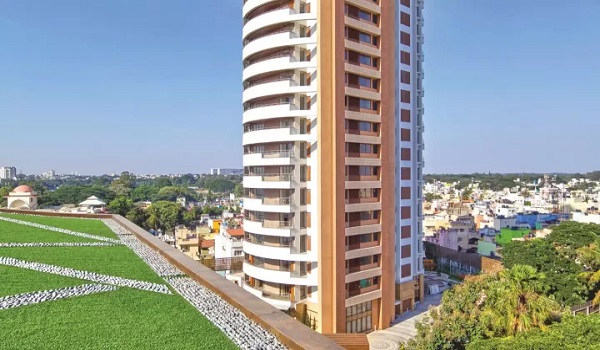
The Big Advantages of Higher Floor Residences


Higher floor homes get clear sunlight all day long, which cuts down your electricity use for lights by up to 30%. Since other buildings rarely block your windows, these upper flats enjoy wide views and bright rooms. This extra sunlight keeps the home dry, fresh, and full of positive energy.

Street noise drops down quietly for every 50 feet you move upward, keeping your home peaceful and away from car honks. Also, heavy road dust and smoke settle near the ground, so upper floors breathe much cleaner air. This makes high floors a healthier option for people with dust allergies.

Common household pests like mosquitoes, rats, and ants rarely fly or crawl up past the 7th floor. This natural barrier means you do not need to use toxic pest sprays or thick window nets. You can leave your balcony doors open for fresh air without worrying about bugs.

  • More Sunlight: Cuts down your monthly lighting bills by 30% due to zero outside blocks.
  • Less Noise: Lowers street sounds drastically for every 50 feet of height you gain.
  • No Pests: Keeps flies, mice, and mosquitoes away naturally above the 7th floor.

The Practical Realities of Lower Floor Residences


Lower floor flats let you walk out of the building in under 60 seconds during fires, power cuts, or earthquakes. This quick exit path is excellent for old grandparents, small kids, and people with knee pain. You never have to worry about getting stuck inside a broken lift.

Ground and low apartments stay cool naturally because trees and nearby buildings block the hot sun. This natural shade reduces your summer AC bills by a solid 20% compared to the top floor. Your rooms stay comfortable even during the hottest months of the year.

Buying a lower flat saves you a lot of money because you do not pay any floor-rise fees. Moving your heavy beds, sofas, and daily groceries is much faster and cheaper from the ground level. You save money both on the purchase price and on daily transport helper costs.

  • Quick Evacuation: Lets you escape to safety in under 60 seconds using plain stairs.
  • Cooler Rooms: Saves 20% on summer cooling bills by staying under cool tree shades.
  • Lower Cost: Saves lakhs of rupees by skipping the developer's high-floor premium charges.

Case Study: Vertical Homes at Prestige Park Ridge


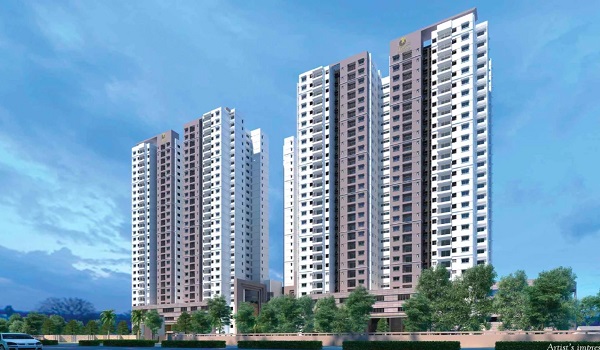
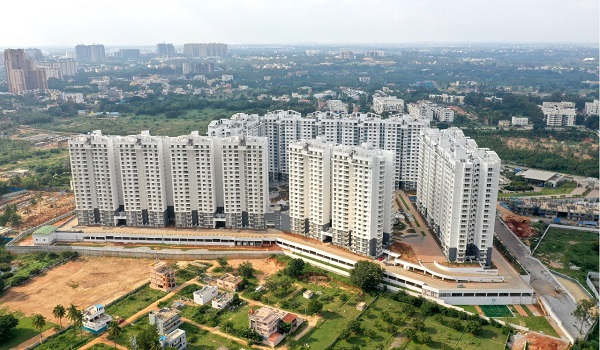
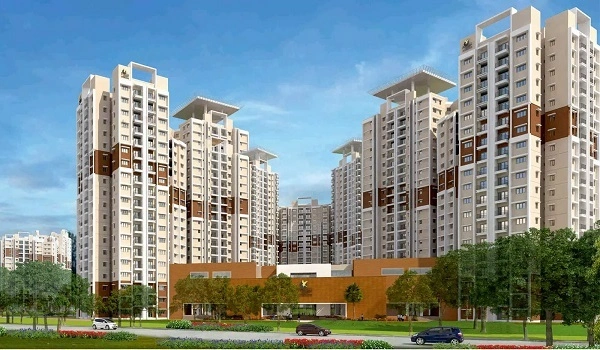
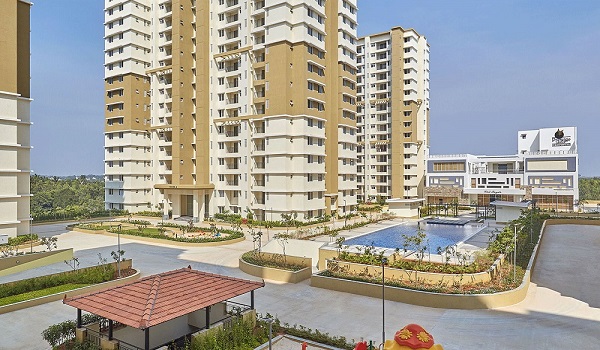
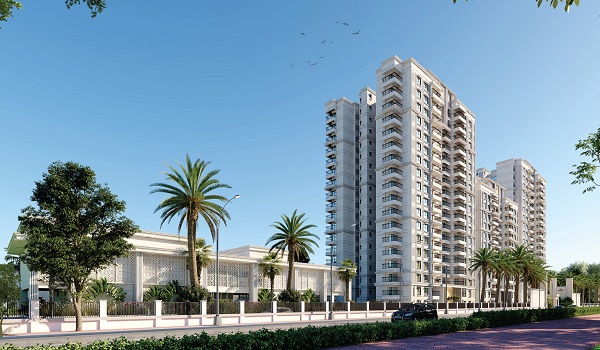
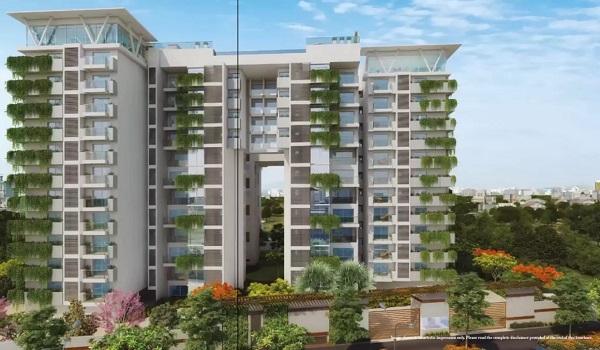
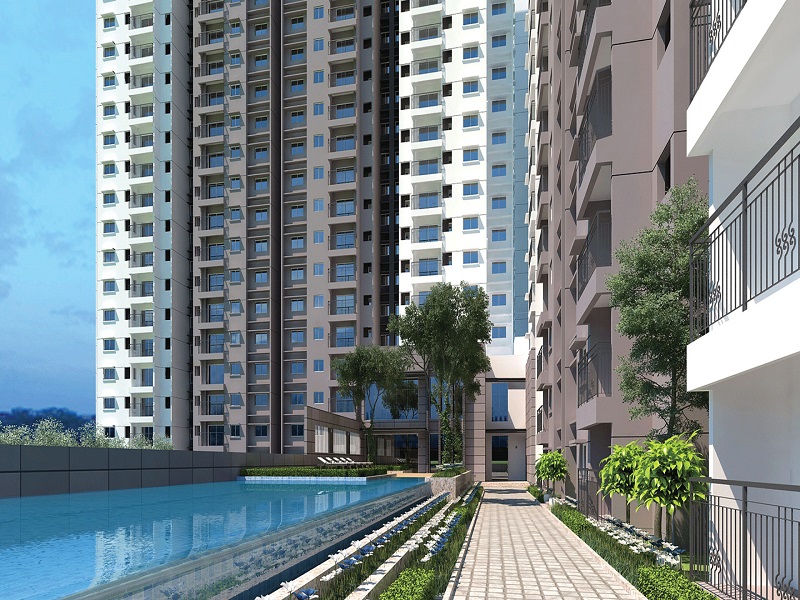
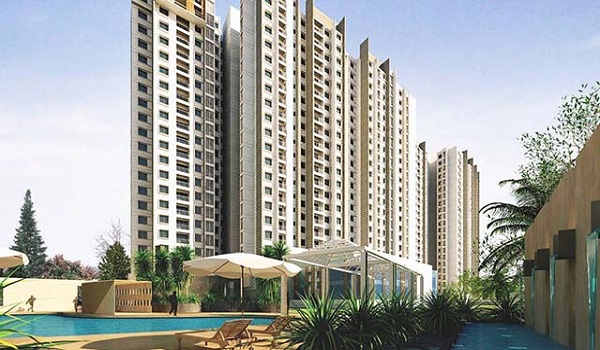
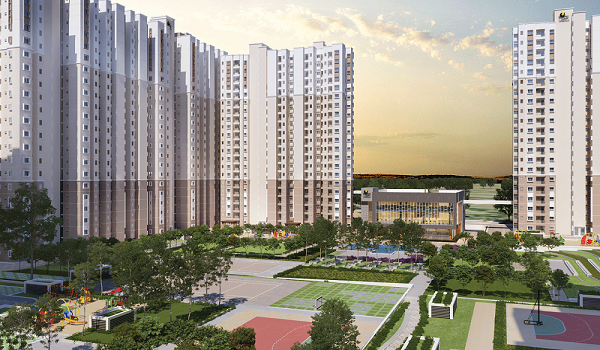
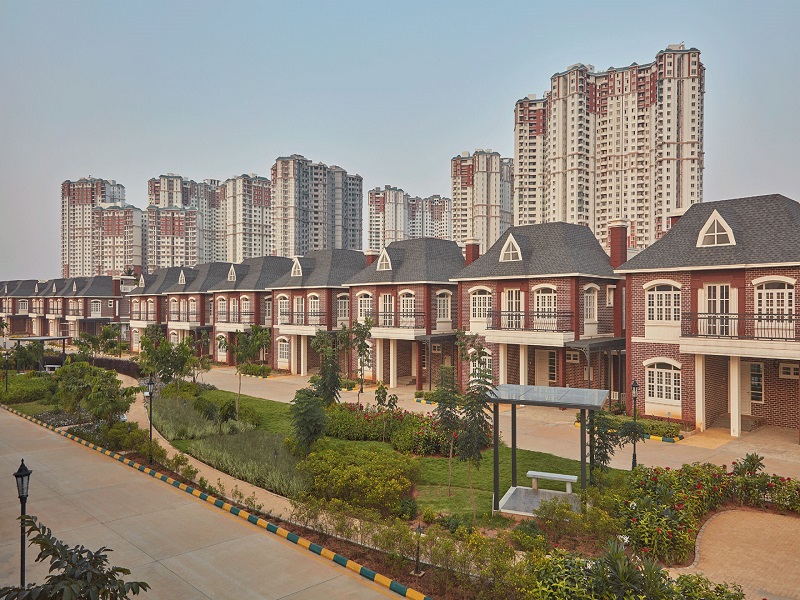
Modern high-rise building ideas are easy to see at Prestige Park Ridge, a new luxury community on Bannerghatta Road, South Bangalore (Anekal, Bengaluru, Karnataka 560083). This grand project spreads across 26.2 acres of land and features 12 tall towers with 2 Basements + Ground + 24 Upper Floors. It serves as a perfect real-world example to compare high versus low living. The tall design gives residents a choice between sky-high privacy and ground-level ease.

When buying into tall building societies, you must check the official government approvals and timelines. Here are the latest facts and dates for the Prestige Park Ridge project:

  • RERA Approval Status: The project details are currently with the government; the official Prestige Park Ridge RERA number is pending and expected by October 2026.
  • Official Launch Date: The grand project launch will happen right after getting the RERA copy in October 2026, with booking applications opening on October 3, 2026.
  • Possession Date: The builder promises a smooth five-year work plan, setting the final handover possession date for mid-2031.
  • Tower Layouts: 12 modern towers holding 1,119 flats across 1 BHK (650–750 sq. ft.), 2 BHK (1,100–1,250 sq. ft.), and 3 BHK (1,500–3,750 sq. ft.) sizes.
  • Current Price: The special pre-launch price is set at ₹14,160 per sq. ft., making total costs run between ₹85 Lakhs and ₹1.8 Crores.

Living on a high floor at Prestige Park Ridge gives you beautiful views of the green properties and the massive 50,000 sq. ft. clubhouse. If you pick a lower floor, you can step out directly onto the running tracks, green gardens, and sports courts. This setup lets every family pick the exact height that fits their lifestyle.

Summary Checklist: Finding Your Ideal Floor Height


Look at these simple lifestyle signs to choose your perfect apartment level:

  • Pick a higher floor if: You hate street noise, love bright rooms, want total privacy, and enjoy beautiful city views.
  • Pick a lower floor if: You live with elderly parents, want an easy escape route, want to save money on floor fees, and like cool rooms.

FAQs


1. Which floor is safest during an emergency like a fire?

Lower floors are much safer because you can walk out to the street using the stairs in less than a minute. Fire trucks and rescue ladders can also reach lower windows much faster from the ground.

2. Why do higher floors cost more money?

Higher floors cost more because they offer beautiful views, better breeze, more light, and less noise. Builders know these features are highly popular, so they add an extra fee per square foot.

3. Do top floors shake during strong winds?

Tall modern towers are designed to bend just a tiny bit during heavy storms to stay safe. This is completely safe structurally, though you might feel a very slight movement if you live on the top floor.

4. Is it easy to resell a lower-floor apartment?

Yes, lower-floor flats have high resale demand from families with senior citizens or young children who prioritize safety. Higher floors sell well to young professionals who want premium views and elite privacy.

5. Do top-floor flats get higher electricity bills?

Yes, top-floor flats usually get higher electricity bills in summer because the sun heats the roof directly all day. This heat makes your air conditioners work much harder to keep the flat cool.

Prestige Park Ridge Blog


Enquiry
Enquire Now